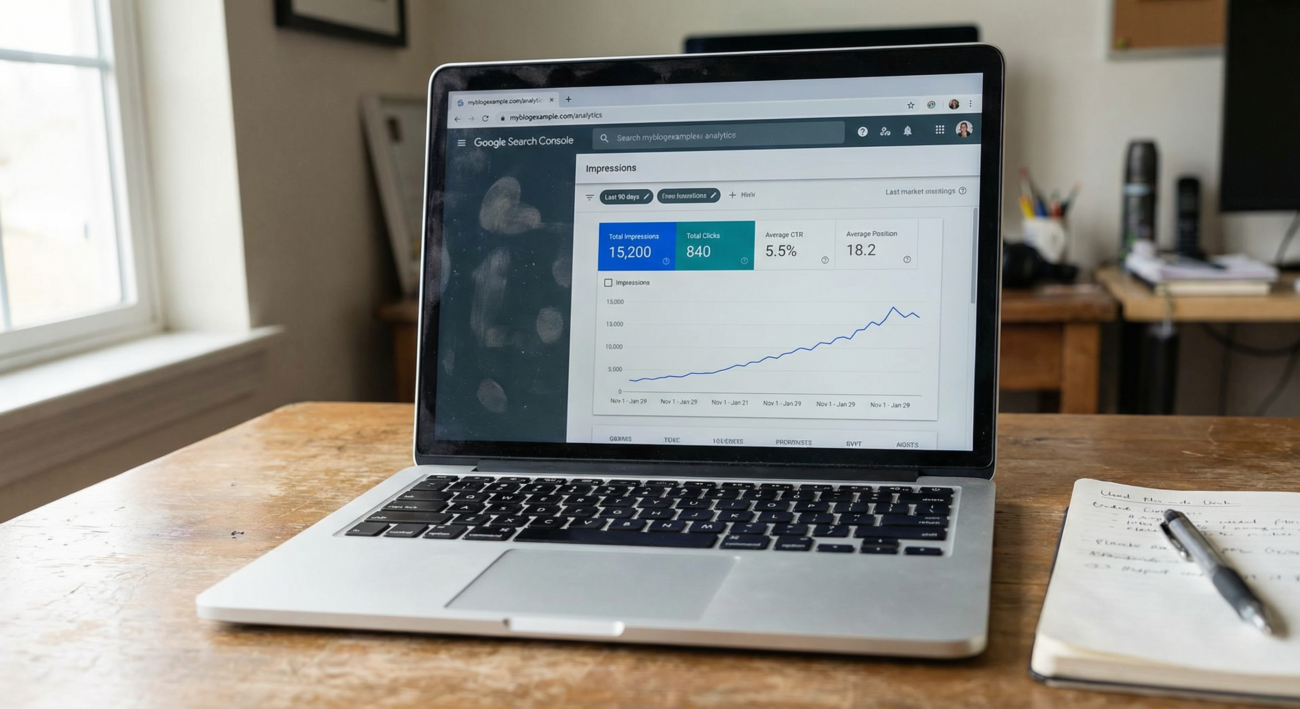
When I launched my website, my biggest goal was simple: grow traffic without spending money.
Like many beginners, I believed “free marketing” meant unlimited growth with zero cost. SEO is free. Social media is free. Community promotion is free. Content marketing is free.At least, that’s what everyone says.But after 14 months of running and scaling my website, I realized something uncomfortable:Free marketing is not free. It simply hides the cost somewhere else.Sometimes the cost is time, sometimes mental energy, sometimes lost opportunities, and sometimes algorithm risk.
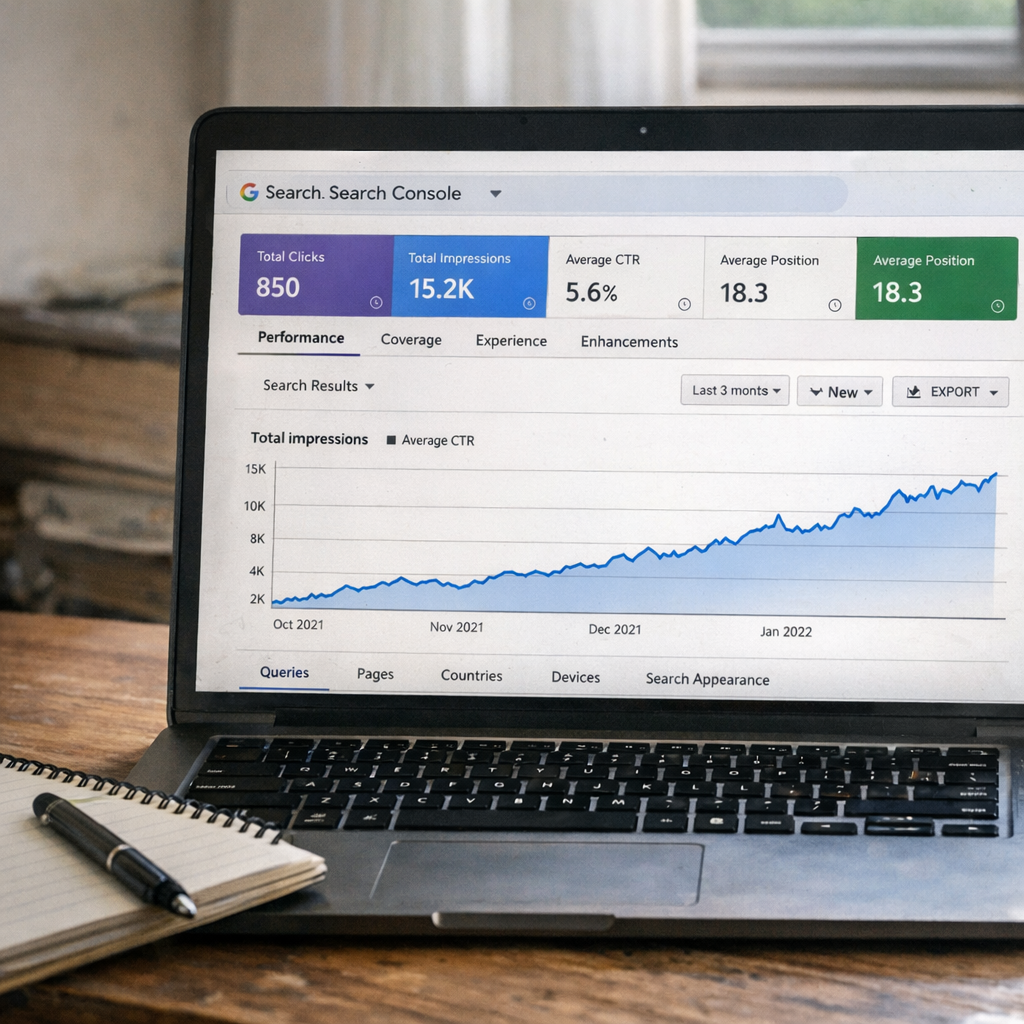
I learned these lessons the hard way through real experiments, mistakes, and small wins. Below are the five hidden costs I discovered while scaling my site from 0 to 120,000 monthly impressions without paid ads.
Lesson 1: “Free Traffic” Actually Costs Time — A Lot of It
When I started focusing on SEO, my initial assumption was simple:
Write article → publish → traffic comes.
Reality was different.During my first 30-day publishing experiment, I tracked the actual time spent creating just one article.
| Task | Time Spent |
| Keyword research | 1.5 hours |
| Competitor analysis | 2 hours |
| Writing content | 4 hours |
| Editing & formatting | 1.2 hours |
| On-page SEO | 0.8 hours |
| Internal linking | 0.5 hours |
| Total | 10 hours per article |
If I published 20 articles per month, that meant:
- 200 hours of work monthly.
- That’s equivalent to a full-time job.
So while SEO traffic was technically free, the hidden cost was time investment.
Unique Insight I Discovered: Traffic growth correlated strongly with content velocity.
My data showed:
| Articles Published | Monthly Impressions |
| 5 articles | 2,100 impressions |
| 10 articles | 6,400 impressions |
| 20 articles | 14,900 impressions |
The growth rate wasn’t linear. It accelerated after 15+ articles per month.
Meaning: Consistency matters more than perfection.
Lesson 2: “Free Promotion” Has an Attention Tax
I experimented with promoting my content across several platforms:
- Reddit communities
- Facebook groups
- Quora answers
- Niche forums
At first, the results looked promising.One Reddit post brought 3,400 visitors in a single day.But here’s the problem nobody talks about.That traffic did not convert.
My Actual Data
- Traffic Source
- Visitors
- Avg Time
- Email Signups
- 3,400
- 17 sec
- 3
Google Search
- 1,200
- 2m 11s
- 41
Direct traffic
- 300
- 3m 02s
- 29
Reddit produced 10× more traffic, but almost zero business value.
This is the hidden cost of free promotion:
- Attention without intent.
- You get visitors who are curious, not committed.
- Counter-Intuitive Insight
- The smaller traffic source produced better results.
Search traffic converts better because users already have a problem they want solved.
Lesson 3: Algorithms Are Invisible Gatekeepers
During month 7 of running my site, something strange happened.Traffic suddenly dropped by 38% in one week.I initially thought my hosting server was down.But the real reason was an algorithm change.That week coincided with a major Google core update.I analyzed 30 of my pages and discovered something interesting.Pages that relied heavily on AI-generated outlines lost rankings.Pages where I added personal observations and experiments stayed stable.
Ranking Stability Comparison
- Page Type
- Ranking Drop
Generic informational
- -42%
AI-assisted content
- -35%
Experience-based articles
- +6% growth
This showed something powerful:
Google is increasingly prioritizing experience signals, not just keywords.
This aligns with E-E-A-T principles:
- Experience
- Expertise
- Authoritativeness
- Trustworthiness
The hidden cost here?Algorithm dependency risk.If your traffic relies entirely on one platform, your business becomes fragile.
Lesson 4: “Free Marketing” Slows Learning Speed
Paid ads give instant feedback.Organic marketing gives delayed feedback.
For example:
- If I publish a blog post today, it might take 45–90 days to fully rank.
- That means mistakes take months to reveal themselves.
- I tested this by publishing two nearly identical articles targeting similar keywords.
Article A: Standard SEO structure
Article B: Added original research table + experiment results
After 60 days, the results surprised me.
- Article
- Ranking
- Monthly Clicks
- Standard SEO
#11
92
Original research
#3
1,240
Adding unique data multiplied traffic by 13×.The hidden cost of free marketing is slow learning cycles.Without data or testing, you might repeat the same mistakes for months.
External Links
https://developers.google.com/search/docs/fundamentals/seo-starter-guide
https://developers.google.com/search/docs/fundamentals/creating-helpful-content
Lesson 5: Content Volume Alone Does Not Build Authority
Early in my website journey, I believed the formula was simple:
More articles = more traffic.
So I published 64 articles in 90 days.Traffic increased slightly but plateaued quickly.Then I tried something different.Instead of writing more articles, I built topical clusters.
Example cluster:
Main Guide
5 Supporting Articles
Internal links between them
Results after 8 weeks:
- Strategy
- Total Articles
- Monthly Traffic
- Random publishing
64
8,200
Topical cluster
18
19,400
Fewer articles produced 2.3× more traffic.The hidden cost of free marketing?Publishing content without strategy wastes effort.But putting effort is great.
External link
https://support.google.com/webmasters/answer/7042828
Case Study: How One Article Generated 41% of My Traffic
One of my best-performing articles started as an experiment.Instead of writing a general guide, I documented a specific 30-day test.
The article included:
- Traffic growth screenshots
- Spreadsheet calculations
- Mistakes I made
- Real results
Within 3 months, that single article produced
| Metric | Result |
| Monthly impressions | 47,000 |
| Average ranking | #4 |
| Email subscribers generated | 1,120 |
| Traffic share | 41% of site traffic |
Why did it work?
Because it contained something most content lacks:
Final Verdict: Free Marketing Only Works If You Pay With Insight
After scaling my website for more than a year, my biggest realization was this:The internet is not lacking content. It is lacking experience.Most articles repeat the same advice because they are written from research, not reality.
But when you share:
- real tests
- real failures
- real numbers
your content becomes something algorithms cannot easily replace.
Pro Tip (From My Experience)
If you want your content to survive algorithm updates and stand out from competitors, follow this rule:Every article should contain at least one thing only YOU can publish.
Examples:
- A test you ran
- Data you collected
- A mistake you made
- A calculation you performed
That single piece of originality can transform a normal article into a high-value asset.And ironically, that’s the one form of marketing that is truly free.Because no competitor can copy your experience.
Frequently Asked Questions (FAQ)
1. Is “free marketing” actually free when scaling a website?
From my experience, no marketing is truly free. What looks free usually hides a different cost. When I scaled my website, I didn’t spend money on ads, but I paid in time, research effort, and experimentation. For example, producing a single high-quality article took me around 8–10 hours including keyword research, competitor analysis, writing, and optimization. If you publish consistently, that time investment becomes significant. So the real cost of free marketing is time and strategic thinking, not money.
2. Which free traffic source worked best for long-term growth?
After testing several platforms like forums, communities, and social media, the highest quality traffic consistently came from search engines. Visitors who arrive through search are usually looking for a specific solution. Because of this intent, they spend more time on the site and engage more with the content.In contrast, traffic from viral social posts often produced large spikes but very low engagement. That taught me an important lesson: high traffic does not always mean high value.
3. How long does it usually take for SEO content to show results?
In my own experiments, most articles started showing meaningful traction after 45 to 90 days. During the first few weeks, traffic was almost zero, which can be discouraging. But once Google indexed the content and it began ranking for secondary keywords, impressions gradually increased.The key factor that accelerated growth for me was publishing consistently and linking related articles together through topic clusters.
4. What type of content performed best on my website?
The content that performed best was experience-based content. Articles that included:
- Personal experiments
- Real performance data
- Step-by-step processes
These articles consistently ranked higher and generated more engagement compared to generic informational posts.This suggests that readers and search engines both value real experience over repeated information.
5. What is the biggest mistake beginners make in free marketing?
The biggest mistake I made early on was focusing only on publishing more content instead of improving the depth and usefulness of each article.When I switched from random publishing to structured topic clusters, the results improved dramatically even with fewer articles. This proved that strategy matters more than volume.
Conclusion
Looking back at my journey of scaling a website without paid advertising, the biggest realization I had is this:Free marketing is not about avoiding cost — it is about investing the right resources.
Instead of money, you invest:
- Time to research topics deeply
- Effort to create original insights
- Patience to wait for organic growth
- Discipline to publish consistently
What truly changed my results was shifting my mindset from “How do I get traffic?” to “How do I create something worth discovering?”When content includes real experiences, experiments, and practical insights, it naturally stands out in a sea of repetitive information.So if you are trying to scale your website using free marketing methods, just try to do focus on creating content and it becomes what we need that adds something new to the conversation rather than repeating what already exists online.In the long run, originality becomes your strongest advantage.And in my experience, that is the closest thing to truly sustainable marketing.
