Introduction
In today’s crowded digital marketplace, businesses face a constant challenge: standing out while gaining and maintaining customer loyalty. Marketing strategies can attract attention, but attention alone does not guarantee success. The cornerstone of sustainable growth is trust. When audiences trust a brand, they are more likely to engage with its content, make purchases, and advocate for the company.
This article explores why building audience trust is essential for marketing success. Readers will gain a clear understanding of how trust influences decision-making, the strategies businesses can use to earn it, and the pitfalls to avoid. By the end, you will see why trust is not just a soft metric—it is a strategic asset that underpins long-term business performance.

The Evolving Landscape of Consumer Trust
Consumer behavior has changed dramatically over the past decade. Digital channels give people access to vast amounts of information, reviews, and social proof, making them more selective about the brands they engage with. According to a 2022 Edelman Trust Barometer report, over 60% of consumers say they will stop buying from a brand they perceive as untrustworthy.
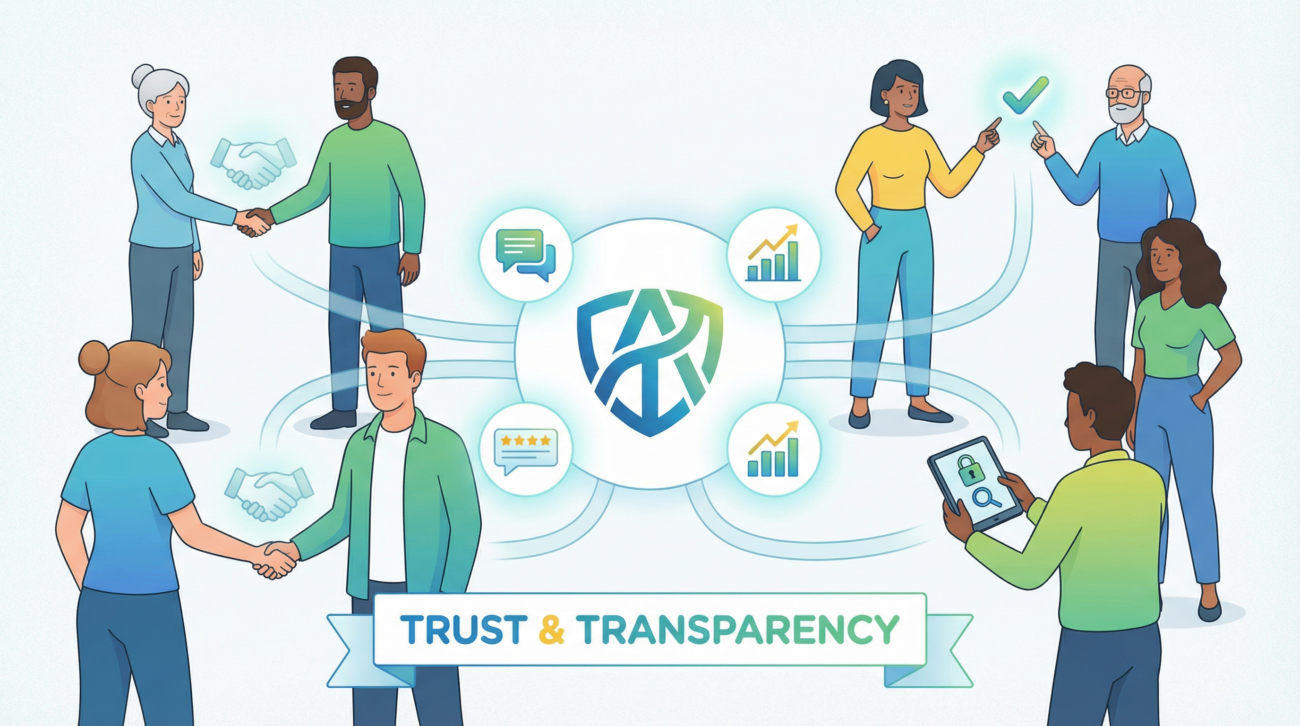
This shift has made trust an explicit factor in marketing success. Unlike price or product features, trust is intangible but highly influential. It affects how people perceive a brand’s credibility, integrity, and commitment to customer interests. For companies, this means that marketing campaigns must go beyond flashy advertisements or discounts—they must build authentic relationships that resonate with their audience.
In essence, trust has become both a competitive advantage and a risk management tool. Brands that fail to prioritize trust may see short-term gains but risk long-term disengagement or reputational damage.
Key Analysis: How Trust Shapes Marketing Success
1. Trust Drives Customer Loyalty
Loyal customers are more profitable than one-time buyers. Trust forms the foundation of loyalty because it reduces perceived risk in purchasing decisions. For example, a consumer who trusts an online retailer’s return policy is more likely to make repeat purchases.
Brands like Amazon exemplify this principle. Their consistent focus on customer service, transparent policies, and reliable delivery has built a loyal customer base willing to overlook minor setbacks. Trust creates a positive feedback loop: customers trust the brand, engage more frequently, and in turn, reinforce their trust through repeated positive experiences.
2. Trust Enhances Brand Reputation
A trustworthy brand enjoys stronger word-of-mouth and social proof. When customers perceive a company as honest and reliable, they are more likely to recommend it to others. In marketing, these recommendations act as endorsements that are more persuasive than any advertisement.
Consider the financial services sector. American Express invests heavily in maintaining its reputation for security and customer support. This trust differentiates it from competitors and reduces barriers for prospective clients.
3. Trust Improves Engagement and Conversions
Marketing is not just about awareness; it is about action. Trust influences how audiences interact with content, respond to offers, and ultimately convert. A study by Nielsen found that 92% of consumers trust recommendations from peers over branded content. Therefore, content strategies that prioritize transparency, educational value, and authenticity can increase engagement metrics and conversion rates.
For example, a software company that publishes honest product comparisons or case studies demonstrates credibility. Even if the content highlights competitors’ advantages, users often respond positively because the brand appears transparent and knowledgeable.
4. Strategies for Building Trust
* **Consistency:** Deliver consistent quality, messaging, and customer experiences across all channels.
* **Transparency:** Be open about policies, pricing, and business practices. Avoid hidden fees or misleading claims.
* **Social Proof:** Use reviews, testimonials, and case studies to demonstrate reliability.
* **Customer-Centric Approach:** Show that you prioritize audience needs over short-term sales. Personalized communication can reinforce this perception.
* **Thought Leadership:** Share educational content that empowers your audience, establishing your brand as a credible resource.
These strategies work best when implemented over time. Trust cannot be manufactured overnight; it requires sustained effort and authentic engagement.
Risks and Considerations
While trust is invaluable, it is fragile. Missteps can quickly erode the relationship between a brand and its audience.
* **Overpromising and Underdelivering:** Making promises your business cannot fulfill leads to disappointment and distrust.
* **Inconsistent Messaging:** Conflicting statements across marketing channels can confuse audiences and damage credibility.
* **Ignoring Feedback:** Failure to address customer complaints or negative reviews signals disregard for consumer concerns.
* **Data Privacy Issues:** Mishandling sensitive information or lacking transparency about data usage can severely undermine trust.
Furthermore, trust is context-dependent. A strategy that works in one market may backfire in another if cultural or regulatory expectations differ. Businesses must continuously monitor sentiment and adapt their approach.
External Links
For readers interested in exploring more about trust in marketing, the following resources are recommended:
* [Harvard Business Review – The Neuroscience of Trust in Business](https://hbr.org/2017/01/the-neuroscience-of-trust)
* [Edelman Trust Barometer](https://www.edelman.com/trust-barometer)
* [HubSpot – How to Build Trust with Your Audience](https://blog.hubspot.com/marketing/build-trust-with-audience)
* Internal Resource: *The Role of Brand Reputation in Modern Marketing Strategies*
Frequently Asked Questions (FAQ)
**1. Why is trust more important than price in marketing?**
Trust reduces perceived risk. While a low price can attract attention, consumers may hesitate to purchase from a brand they do not trust. Trust ensures customers feel confident in their decision, often outweighing minor cost differences. For example, a customer may choose a slightly more expensive but well-reviewed e-commerce platform over a cheaper unknown competitor.
**2. How can small businesses build trust without a large marketing budget?**
Small businesses can focus on transparency, consistency, and personalized communication. Engaging directly with customers through social media, responding to reviews, and providing clear information about products or services can create trust without heavy spending. Authenticity often outweighs scale in these cases.
**3. Can trust be measured?**
Yes. Metrics like customer satisfaction scores (CSAT), Net Promoter Score (NPS), retention rates, review ratings, and engagement metrics can serve as indicators of trust. While these metrics are indirect, they help businesses gauge how audiences perceive their credibility and reliability.
**4. How long does it take to build trust?**
Trust is cumulative and varies by industry, brand history, and audience expectations. It can take months or years of consistent behavior to establish deep trust. Importantly, even a single negative incident can damage trust quickly, emphasizing the need for ongoing diligence.
**5. What role does transparency play in trust-building?**
Transparency signals honesty and integrity. By clearly communicating policies, pricing, and limitations, brands show that they value customer interests. For instance, openly sharing product limitations or potential delays can increase credibility rather than harm reputation.
**6. Are there industries where trust is even more critical?**
Yes, industries such as healthcare, finance, and e-commerce rely heavily on trust. Customers in these sectors make high-stakes decisions and require confidence that their information, health, or finances are in safe hands. Marketing in these fields must prioritize credibility over flashy campaigns.
Conclusion
Audience trust is not a peripheral concern—it is central to marketing success. Brands that earn trust enjoy higher loyalty, stronger engagement, improved conversion rates, and a more resilient reputation. Achieving this requires consistency, transparency, authenticity, and a long-term commitment to serving customer interests.
At the same time, trust is fragile and must be carefully nurtured. Missteps can erode credibility quickly, highlighting the importance of ongoing monitoring, feedback, and adaptability. Ultimately, marketing that prioritizes trust is not only more effective but also more sustainable, creating meaningful relationships that drive both growth and brand value.
