Introduction
In today’s digital-first world, small businesses face intense competition for attention, customers, and credibility. One of the most effective ways to stand out and build a loyal audience is through content marketing. Unlike traditional advertising, content marketing focuses on providing value—educating, entertaining, or solving problems for your target audience.
This article explores how small businesses can use content marketing to grow their brand, attract customers, and increase sales. We’ll cover the basics, strategic approaches, practical examples, potential challenges, and trusted resources for further learning. By the end, readers will have a comprehensive understanding of how content marketing can support business growth.

Background and Context
Small businesses often operate with limited budgets, making cost-effective marketing strategies crucial. Traditional advertising—such as print ads or paid media—can be expensive and sometimes yields uncertain results. Content marketing offers an alternative approach.
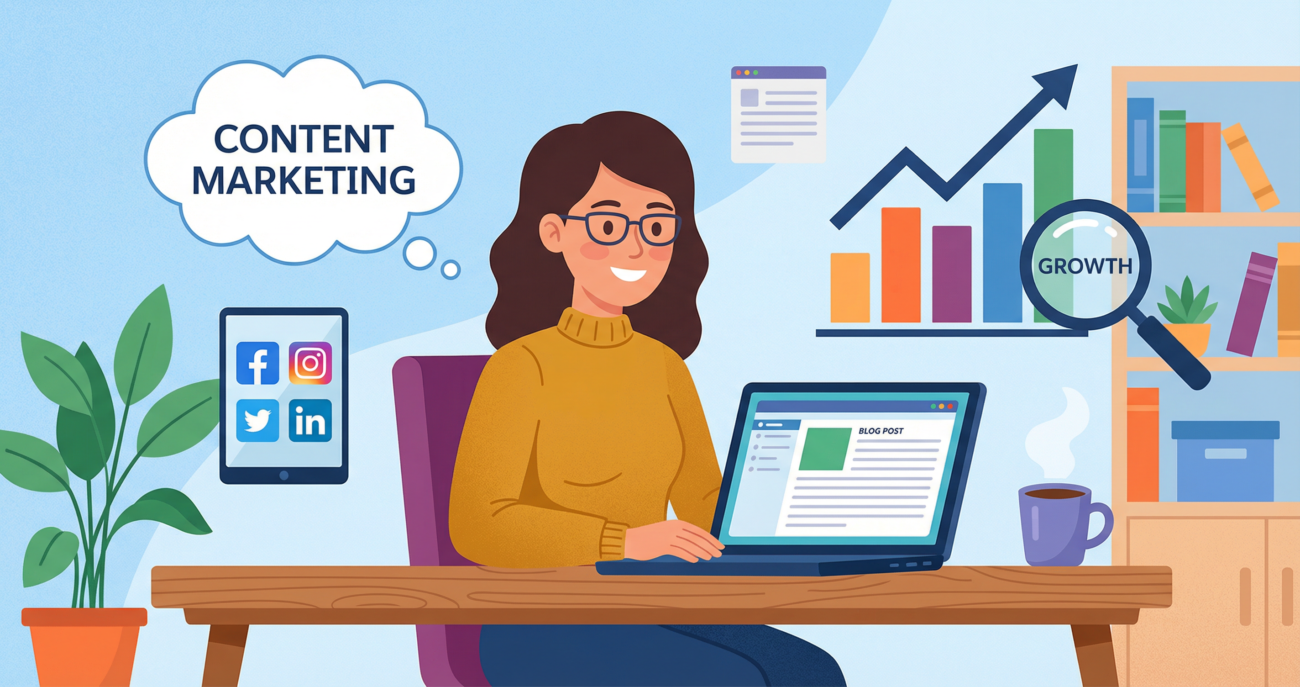
Content marketing involves creating and sharing informative or engaging content to attract and retain an audience. This can include blog posts, videos, infographics, podcasts, or social media posts. Rather than directly selling a product, content marketing builds trust and positions a business as a credible resource in its niche.
Recent trends highlight the growing importance of content marketing. According to the Content Marketing Institute, 70% of small businesses actively invest in content marketing, recognizing that it provides long-term benefits, including higher visibility, stronger brand authority, and improved customer engagement.
Key Analysis and Explanation
Understanding Your Audience
The first step in content marketing is understanding your audience. Small businesses must identify who they want to reach, what challenges their customers face, and the type of content they find valuable.
For example, a local bakery targeting health-conscious customers might focus on content about sugar-free recipes, ingredient sourcing, and nutrition tips. By tailoring content to the audience’s needs, businesses can increase engagement and foster loyalty.
Setting Clear Goals
Successful content marketing requires clear, measurable objectives. Small businesses should define what they hope to achieve, such as:
* Increasing website traffic
* Generating leads for email marketing
* Boosting social media engagement
* Establishing thought leadership
Setting goals helps determine the type of content to produce and the platforms to use. For instance, a B2B business may prioritize LinkedIn articles and white papers, while a lifestyle brand might focus on Instagram and video tutorials.
Creating High-Quality Content
Quality is more important than quantity. High-quality content educates, informs, or entertains and aligns with the brand’s voice.
Examples include:
* **Blog articles:** Explaining industry trends or offering “how-to” guides.
* **Videos:** Demonstrating products, sharing tips, or showcasing behind-the-scenes content.
* **Infographics:** Presenting complex data in a visually appealing format.
* **Podcasts:** Sharing interviews, insights, or educational discussions.
Small businesses can repurpose content across platforms. A blog post can become a video script, social media snippet, or email newsletter. This maximizes reach without significantly increasing production costs.
Leveraging SEO
Search engine optimization (SEO) ensures content is discoverable online. Small businesses should focus on:
* Using relevant keywords naturally in content
* Structuring content with headings and bullet points for readability
* Optimizing images with descriptive alt text
* Building internal and external links to increase authority
For example, a local fitness studio writing a blog post about “5 Effective At-Home Workouts” can attract people searching for fitness solutions, potentially converting readers into clients.
Engaging on Social Media
Social media amplifies content reach and allows businesses to interact directly with their audience. Choosing the right platform is essential.
For instance, a handmade jewelry business might focus on Instagram and Pinterest for visual storytelling, while a business consultancy may prioritize LinkedIn for professional insights. Consistency in posting and responding to audience interactions helps build trust and recognition.
Measuring and Adapting
Content marketing is iterative. Small businesses should monitor metrics such as website traffic, time spent on content, social media engagement, and conversion rates. Tools like Google Analytics, social media dashboards, and email campaign reports provide insights into what works and what doesn’t.
For example, if blog articles about product usage tips receive more engagement than general industry news, businesses can adjust their strategy to focus on actionable, practical content.
Risks and Considerations
While content marketing offers many benefits, there are challenges small businesses should consider.
Time and Resource Investment
Creating consistent, high-quality content takes time and effort. Small teams may struggle to maintain a content calendar while managing day-to-day operations. Outsourcing content creation or using freelancers can help, but this may require additional budget allocation.
Overestimating Immediate Results
Content marketing is a long-term strategy. Results such as higher website traffic, improved brand authority, or increased sales may take months to materialize. Businesses must maintain patience and focus on building sustainable engagement.
Content Saturation
Many industries are saturated with content. Standing out requires originality, unique insights, and understanding audience needs. Simply replicating trends or generic advice may not yield significant results.
SEO and Algorithm Changes
Search engine algorithms and social media rules frequently change. Content strategies must adapt to remain visible. Businesses should stay updated on industry trends, SEO best practices, and platform updates to maintain effectiveness.
External Links
For readers seeking further learning, the following resources provide valuable insights:
* **External Resources:**
* [Content Marketing Institute – Small Business Resources](https://contentmarketinginstitute.com/)
* [HubSpot – Content Marketing Guides](https://www.hubspot.com/resources)
* [Moz – SEO Best Practices](https://moz.com/beginners-guide-to-seo)
FAQ Section
**1. What is content marketing, and why is it important for small businesses?**
Content marketing is the process of creating and sharing valuable content to attract and retain customers. For small businesses, it is crucial because it helps build brand awareness, trust, and authority without requiring large advertising budgets. For example, a coffee shop posting brewing tips online can attract enthusiasts who may become loyal customers.
**2. How often should small businesses publish content?**
Consistency is more important than frequency. A small business could start with one high-quality blog post per week or two social media updates per week. The key is maintaining regularity so the audience knows when to expect content.
**3. Can small businesses do content marketing on a limited budget?**
Yes. Low-cost options include blog posts, social media updates, email newsletters, and repurposing existing content. Using free tools like Canva for graphics or scheduling tools like Buffer can help optimize time and costs.
**4. How can businesses measure the success of content marketing?**
Metrics include website traffic, engagement rates, social media shares, email open rates, and conversions. For example, a blog post that drives sign-ups for a newsletter indicates successful engagement.
**5. Should small businesses focus on one type of content or multiple formats?**
It depends on resources and audience preferences. While focusing on one format ensures quality, diversifying (blogs, videos, infographics) can reach different segments and increase visibility.
**6. How long does it take to see results from content marketing?**
Results vary but usually take several months. Building an audience, improving SEO, and gaining trust are long-term processes. Patience and consistent effort are key to achieving sustainable growth.
Conclusion
Content marketing offers small businesses a powerful, cost-effective way to grow, build credibility, and connect with customers. By understanding their audience, setting clear goals, producing high-quality content, leveraging SEO, and engaging on social media, small businesses can create a lasting online presence.
However, it requires time, patience, and adaptation to challenges such as competition, changing algorithms, and resource constraints. With strategic planning and consistent execution, content marketing can become a cornerstone of small business growth, offering both short-term engagement and long-term brand loyalty.
By focusing on providing value rather than immediate sales, small businesses can create meaningful connections that translate into sustainable success.
