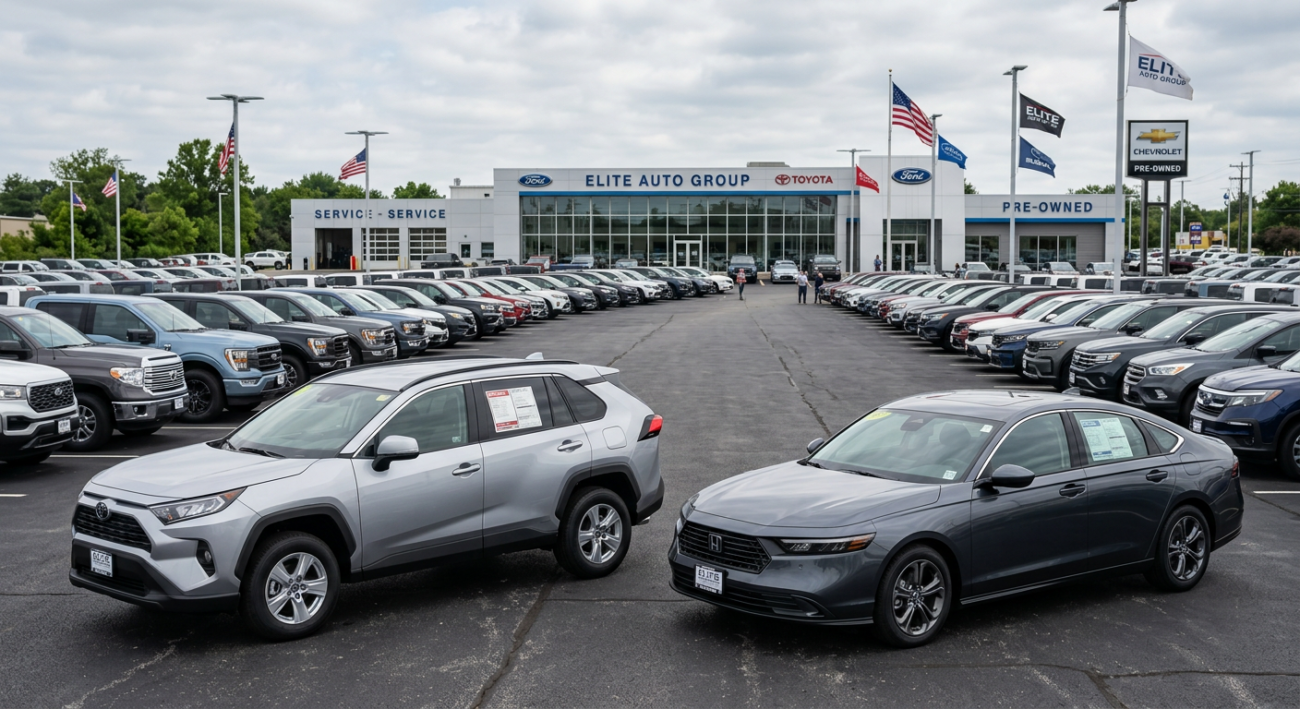
The Ultimate Used Car Buyer’s Guide: Capitalizing on the 9% Market Crash
The pre-owned automotive landscape has just price experienced its most volatile structural shift in half a decade. Following an unprecedented multi-year surge driven by supply chain constraints, semiconductor shortages, and hyper-inflated dealership demand, the used car market has hit a definitive inflection point. Macroeconomic indicators confirm a sweeping 9% correction in average pre-owned vehicle valuations globally.
For buyers, this correction isn’t merely a minor price dip; it represents a major realignment of asset values. According to wholesale market indices, inventory tiers that once commanded steep premiums are rapidly cooling off. As dealer lots swell with off-lease turn-ins and repossession volumes normalize to baseline historical metrics, leverage has shifted directly from the seller to the educated consumer.
Comprehensive Segment Analysis: Where the 9% Drop Hits Hardest
A blanket 9% drop does not mean every vehicle on the market is exactly 9% cheaper today. The collapse is asymmetric. To maximize your purchasing power, you must understand how different vehicle segments, production years, and powertrain configurations are absorbing this market shock.
| Vehicle Segment | Avg. Price Pre-Crash | Post-Crash Price | Net Valuation Shift (%) | Primary Market Driver |
|---|---|---|---|---|
| Mid-Size SUVs & Crossovers | $32,450 | $29,530 | -9.0% | Off-lease supply surge & fleet saturation |
| Compact & Commuter Sedans | $19,800 | $18,414 | -7.0% | High sustained baseline demand for fuel efficiency |
| Full-Size Pickup Trucks | $46,200 | $41,118 | -11.0% | High fuel costs causing inventory stagnation |
| Battery Electric Vehicles (BEVs) | $41,500 | $35,275 | -15.0% | New OEM price cuts & evolving battery tech fears |
| Luxury & Executive Sedans | $54,000 | $47,520 | -12.0% | High maintenance overhead driving rapid depreciation |
Deconstructing the Crash: 10 Critical Market Points for Buyers
Navigating this corrected market requires deep technical awareness of wholesale, retail, and macroeconomic forces. Below is an exhaustive breakdown of the 10 structural dynamics defining this 9% automotive market crash.
1. The Wholesale vs. Retail Lag Effect
When macroeconomic shifts occur, wholesale prices at dealer-only auctions drop immediately. However, retail prices listed on dealership websites lag behind by roughly 30 to 45 days. Dealerships naturally resist lowering their advertised prices because they bought their current inventory at higher pre-crash rates. As a buyer, you must use real-time wholesale valuation tracking to demand discounts that reflect current market realities rather than outdated window stickers.
2. Surging Off-Lease Inventory Pipelines
During the peak demand years, leasing velocity slowed significantly as consumers bought out their options. The market is now experiencing a massive influx of corporate, fleet, and consumer lease returns. This sudden injection of clean, single-owner, 3-year-old vehicles has overwhelmed traditional dealership capacities, directly triggering the sharp drop in pricing across mid-size crossovers and premium segments.
3. Macroeconomic Pressures and Lending Constraints
Central banking adjustments have kept prime interest rates elevated, driving up auto loan rates. Consequently, tier-2 and tier-3 credit buyers are being systematically priced out of financing options. This sudden contraction in the aggregate buyer pool has left dealers with bloated inventories, forcing them to slash margins to sustain high floor-plan asset velocity.
4. The EV Depreciation Acceleration
Used Electric Vehicles (EVs) are experiencing the sharpest decline within the 9% average drop, often falling up to 15% year-over-year. This structural devaluation is fueled by aggressive pricing maneuvers on new models by major OEMs, along with consumer anxieties regarding out-of-warranty battery replacements. Savvy shoppers can find massive bargains on pre-owned EVs if the remaining factory powertrain warranty is fully transferable.
5. Normalization of High-Value Commercial Fleet Vehicles
During supply-chain crunches, enterprise fleets extended their operational lifespans, leaving the secondary commercial market dry. Now, fleets are aggressively cycling out their inventory. This massive influx of work trucks and cargo vans has significantly driven down prices in the full-size truck and utility segments, offering excellent opportunities for trade professionals and small businesses.
6. Dealership Floor-Plan Interest Stress
Most dealerships do not own their inventory outright; they finance their vehicle lots through short-term commercial lines of credit known as “floor plans.” As interest rates hover at multi-decade highs, the cost to hold a vehicle on a lot for more than 45 days has skyrocketed. Dealers are highly incentivized to sell aging vehicles at or below cost to avoid accumulating compounding interest penalties.
7. Regional Disparities in Pricing Drops
The 9% crash is an aggregate national metric, but local market performance varies considerably based on regional conditions. Dense urban centers with extensive public transit networks are seeing steeper price drops on commuter vehicles, whereas rural and industrial regions maintain higher price baselines for four-wheel-drive configurations and commercial platforms. Expanding your search radius to 250 miles can often save you thousands of dollars.
8. Depreciation Realignment for 3-to-5-Year-Old Tiers
For several years, the standard depreciation curve was entirely inverted: 3-year-old cars were frequently selling for near their original retail MSRP. This crash restores the traditional logarithmic depreciation model. The baseline valuation formula can be calculated using a standardized depreciation model: V(t) = P_0 \times (1 – r)^t, where V(t) represents the adjusted valuation, P_0 is the original retail price, r is the accelerated depreciation coefficient, and t is time in service. Buyers can confidently purchase vehicles within the sweet spot of this curve without risking an immediate equity wipeout.
9. Insurance Total-Loss Valuations Shift
As market valuations fall, automotive insurance underwriters are adjusting their actual cash value (ACV) matrices downwards. If you purchase a vehicle near the top of the market and experience a total loss a month later, your insurance payout will reflect the post-crash valuation. This adjustment highlights the critical importance of secure gap insurance or purchasing vehicles well within the corrected pricing tier.
10. Private Party Market Delusions
Private sellers typically take much longer than commercial dealerships to acknowledge a market crash. Many private listings still feature high pricing based on outdated news reports or emotional attachment. When negotiating with private parties, bring physical printouts of updated local dealer pricing to bridge this expectations gap and secure a fair deal.
Always request or look up the specific “Days on Market” (DOM) data point for any vehicle you intend to buy. If a vehicle has sat on a dealer’s lot for more than 60 days in this current market, the dealer is actively losing money to floor-plan interest expenses. Use this timeline to submit an aggressive, data-driven out-the-door offer on a Friday afternoon before the closing shift.
The Ultimate Used Car Buyer’s Inspection Checklist
A down market can occasionally cause dealers to cut corners on reconditioning and preparation. Protect your financial investment by rigorously following this systematic acquisition checklist before signing any financing contracts:
- Comprehensive History Audit: Pull independent records via certified registries to verify odometer readings, title status, ownership transitions, and historical accident records.
- Fluid Matrix Inspection: Confirm engine oil, transmission fluid, and engine coolant show clear consistency with no indicators of thermal stress or metallic debris contamination.
- Structural & Frame Analysis: Inspect factory spot welds along the inner aprons, core supports, and trunk floors to verify the vehicle has not undergone structural frame straightening.
- OBD-II Diagnostic Scan: Plug in a high-tier diagnostic tool to check for cleared trouble codes, pending engine codes, or incomplete emissions monitors.
- Mechanical Pre-Purchase Inspection (PPI): Hire an independent, third-party ASE-certified mechanic to perform a comprehensive physical assessment before completing the transaction.
Navigating Regulatory and Valuation Frameworks
To verify that you are paying the correct post-crash price, it is highly recommended to reference official federal valuation standards, consumer safety recalls, and consumer protection guidelines. Consult official platforms such as the National Highway Traffic Safety Administration (NHTSA) to cross-reference active manufacturer safety recalls, and review the consumer advice guides provided by the Federal Trade Commission (FTC) regarding used car buyers’ rights. For calculating precise tax, title, and registration adjustments relative to changing asset values, consult your specific state’s Department of Motor Vehicles (DMV) Services portal, alongside the commercial valuation benchmarks maintained on the U.S. Bureau of Labor Statistics (BLS) Consumer Price Index metrics.
Frequently Asked Questions (FAQ)
A: While the sharpest 9% drop has already occurred, leading indicators point toward a continued, gradual stabilizing contraction. Supply chains have fully normalized, meaning used car pricing will follow standard historical depreciation curves rather than spiking unexpectedly.
A: High interest rates can offset upfront purchase price savings if you carry the loan for its full term. To maximize your value, focus on paying down a substantial down payment, look for regional credit union financing options, or plan to refinance once macroeconomic interest rates drop.
A: Franchise dealers offer clear accountability, Certified Pre-Owned (CPO) warranty coverages, and established financing options, though their base prices are higher. Private parties can offer lower prices, but they require a rigorous Pre-Purchase Inspection (PPI) since purchases are made strictly on an “as-is” basis.
A: Yes, CPO vehicles have adjusted downward, though they maintain a premium over non-certified inventory. Because franchise dealers are facing intense pressure to move inventory, you can often negotiate the added cost of a CPO warranty down to wholesale rates.
A: The 36,000 to 48,000 mileage window represents the ideal value sweet spot. Vehicles in this tier have moved past their steepest initial depreciation drop while retaining remaining factory powertrain warranties and significant operational lifespans.
A: Be alert for non-itemized add-ons listed under vague terms such as “dealer reconditioning fees,” “protection packages,” or “market management premiums.” Always insist on a clear, written, line-item out-the-door (OTD) price sheet before talking about financing terms.

One thought on “Used Car Prices: Market Crashes 9% – A Comprehensive Analysis for Buyers”