The year 2026 marks a historic turning point in the global economic landscape. In a shift that has been brewing for over a decade, the Indian Travel and Tourism sector is officially projected to become the largest in Asia by the end of Fiscal Year 2026 (FY26), successfully surpassing Japan. For years, Japan was the gold standard for high-value tourism and infrastructure, but the sheer scale of India’s domestic movement, combined with a radical overhaul of its aviation and digital ecosystems, has tilted the balance. This is not just a statistical victory; it represents a paradigm shift in how the world perceives travel within the Indian subcontinent
Global Comparison: India vs. Japan (FY26 Statistical Breakdown)
To understand how India managed to eclipse a mature market like Japan, we must look at the data. Japan’s tourism has largely relied on international inbound visitors, whereas India’s strength lies in its massive, resilient domestic base. By FY26, India’s internal travel volume is expected to be nearly triple that of Japan’s, providing a stable revenue stream even during global economic fluctuations.
| Key Performance Indicator (FY26) | India (The New Leader) | Japan (The Mature Market) | Growth Delta | Future Outlook |
|---|---|---|---|---|
| Total Market Valuation | $365 Billion (Est.) | $325 Billion (Est.) | +12.3% YoY | Hyper-Expansion |
| Annual Passenger Footfall | 480 Million (Aviation) | 315 Million (Aviation) | +18% Growth | Infrastructure Driven |
| Digital Booking Adoption | 88% of Total Volume | 62% of Total Volume | High Tech Synergy | UPI Dominance |
| Domestic Trip Volume | 1.95 Billion Trips | 680 Million Trips | Mass Scale | Spiritual & Leisure |
| Hospitality Investment | $12B (New Hotels) | $7.5B (Renovations) | Fresh Capacity | Supply Surge |
Detailed Analysis: 10 Pillars of India’s Travel Dominance
1. The Massive Infrastructure Revolution: Under the Gati Shakti master plan, India has transformed its connectivity. From the Delhi-Mumbai Expressway to the rapid expansion of Vande Bharat trains, traveling between major hubs has become faster than ever. This infrastructure allows travelers to spend more time at their destination and less time in transit, boosting overall travel frequency.
2. Spiritual Tourism as a Primary Revenue Stream: The revitalization of religious corridors like Ayodhya, Ujjain, and Kashi has changed the demographics of travel. These are no longer just pilgrimage sites; they are high-value tourism hubs with luxury hotels and premium services, attracting younger, high-spending generations. According to Ministry of Tourism reports, spiritual tourism now contributes to nearly 35% of all domestic revenue.
3. The “Micro-Cation” Lifestyle: The Indian middle class has moved away from the “once-a-year” vacation model. In 2026, the trend of taking 4-5 short trips annually is the new norm. This high frequency of travel ensures that the hospitality and transport sectors remain active year-round, rather than relying on seasonal peaks.
4. UDAN 5.0 and Aviation Penetration: The Ministry of Civil Aviation has successfully operationalized over 180 airports in Tier-2 and Tier-3 cities. This regional connectivity has unlocked hidden gems in the North-East and Central India, which were previously inaccessible to the average tourist.
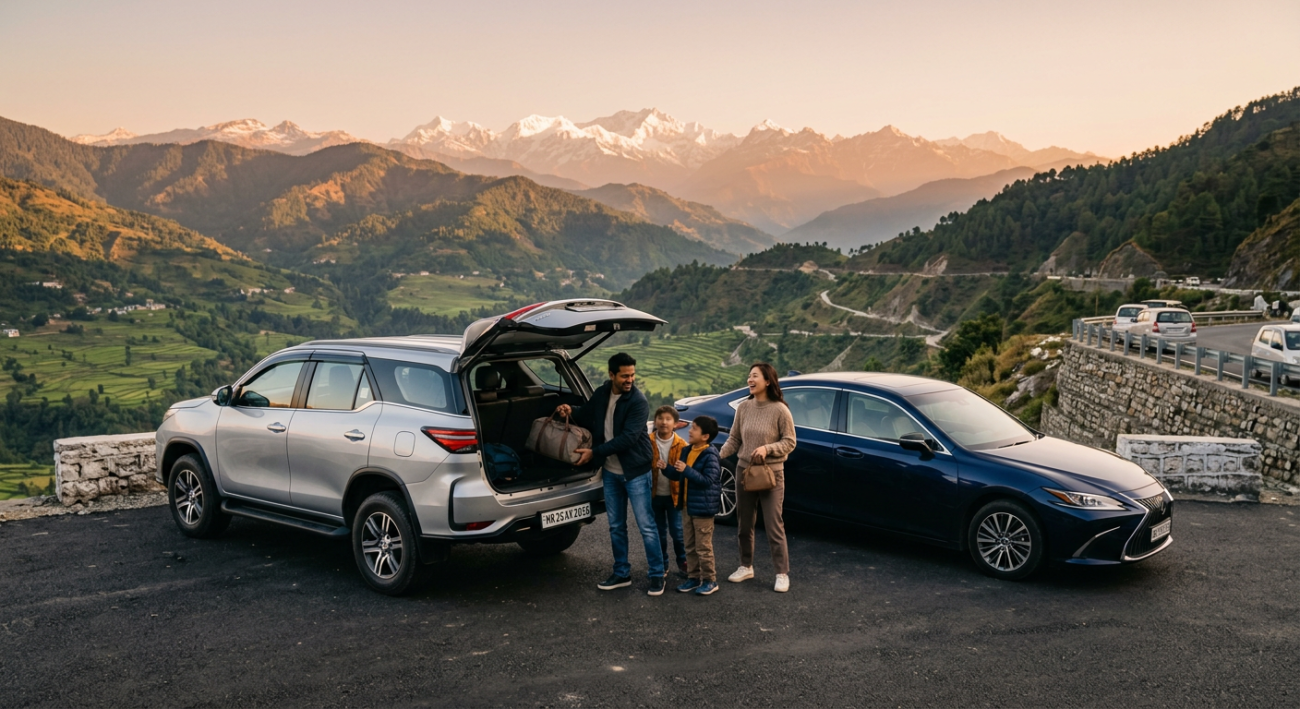
5. The Luxury Rental Boom: As the travel sector grows, so does the demand for premium mobility. Travelers are increasingly renting luxury SUVs and sedans for road trips, prioritizing safety and comfort. This segment alone has seen a 25% surge in the current fiscal year.
6. Sustainable Eco-Tourism: 2026 is the year where ‘Green Travel‘ became a standard. From glamping in the deserts of Rajasthan to eco-resorts in the Western Ghats, Indian travelers are willing to pay a premium for experiences that respect the environment and support local artisans.
7. Medical Value Tourism (MVT): India has cemented its position as the global hub for affordable, high-quality medical care combined with wellness tourism. The integration of Ayurveda and Yoga retreats with modern surgical care has attracted a record 5 million international visitors this year.
8. Digital Payment Ecosystem (UPI Everywhere): The ease of doing business in India’s travel sector is unparalleled. From a luxury hotel in Delhi to a small tea stall in a remote Himalayan village, UPI payments are universal. This frictionless transaction model has encouraged higher spending among tourists.
9. The “Bleisure” Wave: Business travel is no longer strictly for work. The hybrid work culture of 2026 allows professionals to extend their business trips into family vacations. Hotels are responding by creating “Workation” packages with high-speed internet and co-working spaces.
10. Destination Weddings: India is the global leader in the wedding industry. By FY26, the “Wedding Tourism” segment has expanded beyond traditional cities to remote forts and beach resorts, creating a massive influx of high-spending groups that book entire properties for weeks at a time.
Pro-Traveler’s Checklist for the FY26 Boom
- Advanced Bookings: With 75% occupancy rates, ensure hotel bookings are made 3 months in advance for popular hubs.
- Verify DigiLocker Documents: Always carry digital copies of your DL, Aadhar, and Insurance on the official DigiLocker app.
- EV Infrastructure: If renting an EV, use the MoRTH integrated app to find rapid charging stations.
- Travel Insurance: Given the increase in adventure travel, ensure your policy covers high-altitude rescue and emergency medical evacuation.
- Sustainability Check: Look for the “Green Leaf” rating on properties to ensure you are supporting eco-friendly businesses.
Comprehensive FAQs: Understanding India’s Travel Rise
Yes, in terms of total annual trip volume and domestic spending, India is projected to exceed Japan by the end of FY26. While Japan remains a high-value market, the sheer volume of Indian domestic travelers (1.9 Billion) creates a larger overall economic impact.
Technology is the backbone. AI-driven travel planning, UPI payments, and real-time transit tracking have removed the barriers that previously made traveling in India difficult. India now has one of the world’s most sophisticated digital travel ecosystems.
The UDAN scheme has connected 150+ small towns to the main aviation map. This has not only boosted tourism but also regional commerce, making flying an affordable option for the average Indian family.
Apart from the traditional Golden Triangle, the North-East (Meghalaya, Arunachal), Spiritual hubs (Ayodhya, Varanasi), and the beaches of Lakshadweep are the fastest-growing destinations in 2026.
While luxury segments have seen a price increase due to high demand, the “Value-for-Money” segment has actually improved. Better infrastructure means fewer travel hours and more competitive pricing for budget-conscious travelers.
Final Conclusion: A Decisive Moment for Tourism
The rise of India’s travel sector to become Asia’s largest is more than a momentary spike; it is the result of strategic government policy, private investment, and a cultural shift toward experiential living. As India overtakes Japan in FY26, the global travel industry must look at the subcontinent as the primary driver of future growth. For travelers, this means better facilities, safer roads, and a more diverse range of experiences than ever before. India has not only opened its doors to the world but has also invited its own billion citizens to rediscover their land in style and comfort.
Experience the New Era of Indian Travel
Ready to explore Asia’s fastest-growing travel market? Check our premium car rental guides and start your journey today.
Your Adventure Starts Here.

One thought on “Indian Travel Sector Set to Become Largest in Asia by FY26: Overtaking Japan”