The 2026 Global Luxury Car Market: An Ultimate Guide to the Top 10 Models Redefining Opulence
The luxury automotive landscape in 2026 has reached a pivotal junction. As the global market surpasses the $750 billion mark, the definition of “luxury” is no longer confined to leather stitching and engine displacement. Today, it is a sophisticated blend of sustainable performance, autonomous intelligence, and bespoke digital experiences. Whether you are a seasoned collector or a first-time high-end buyer, navigating this year’s offerings requires an understanding of how traditional prestige brands are pivoting to meet the demands of a greener, tech-forward era.
Strategic Comparison: The 2026 Frontrunners
| Model | Powertrain | Top Tech Feature | Est. Price (USD) | Target Audience |
|---|---|---|---|---|
| Rolls-Royce Spectre | Full Electric | Planar Suspension System | $425,000+ | Ultra-High-Net-Worth Individuals |
| Mercedes-Benz S-Class | Hybrid / ICE | Level 3 Drive Pilot | $118,000+ | C-Suite Executives |
| BMW i7 M70 | Full Electric | 31-inch Theater Screen | $168,000+ | Tech-Forward Enthusiasts |
| Porsche Taycan Turbo GT | Full Electric | 800V Architecture | $230,000+ | Performance Purists |
| Range Rover Autobiography | PHEV / EV | Next-Gen Noise Cancellation | $170,000+ | Luxury Adventurers |
Deep Dive: 10 Defining Trends and Models of 2026
The following analysis breaks down the most critical facets of the 2026 luxury market, highlighting the specific models that embody these shifts.
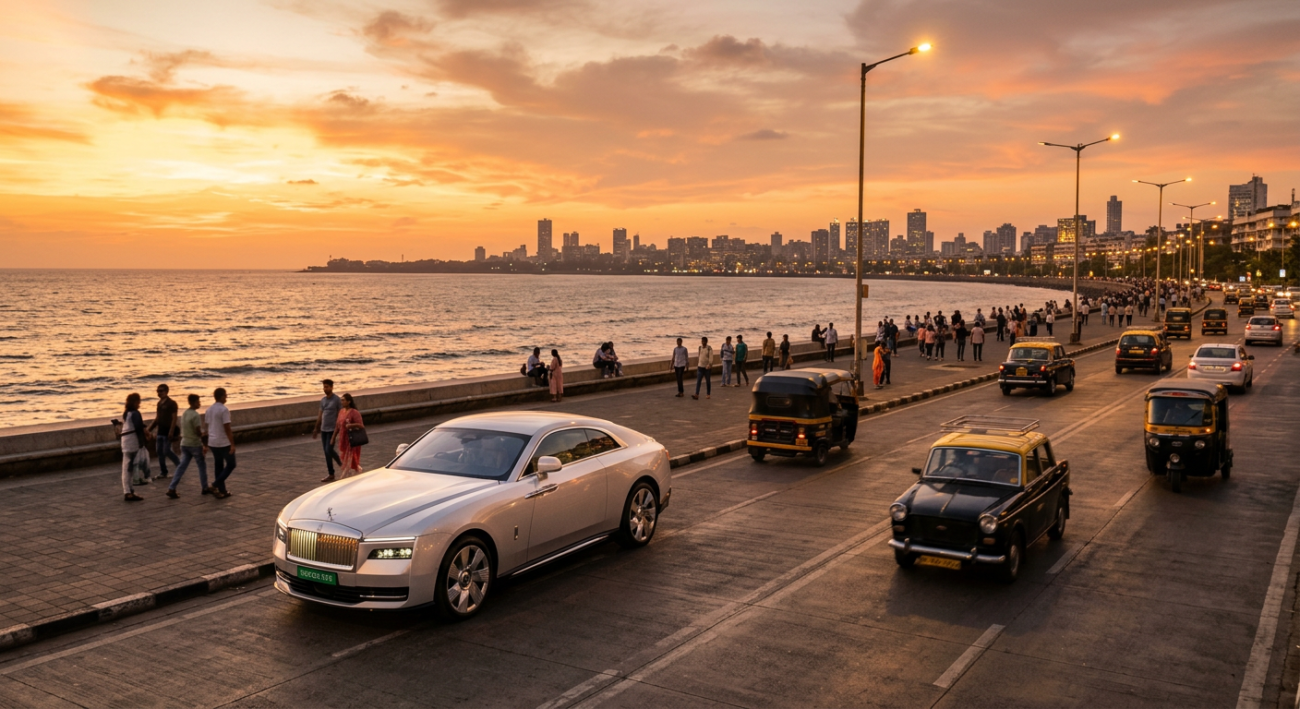
1. The Triumph of the “Silent Power” (Rolls-Royce Spectre)
Rolls-Royce has successfully transitioned its “waftability” to the electric era. The Spectre is not just an EV; it is a statement that silence is the ultimate luxury. In 2026, the demand for high-torque, vibration-free electric drivetrains has made V12s feel almost archaic in the ultra-luxury segment.
2. Level 3 Autonomy Hits the Mainstream (Mercedes-Benz S-Class)
Mercedes-Benz continues to lead the pack in 2026 with its Drive Pilot system. In specific highway conditions, the car takes full control, allowing the driver to engage in secondary tasks. This “gift of time” is the new benchmark for flagship sedans.
3. Rear-Seat Infotainment as a Cinematic Experience (BMW i7)
The BMW i7’s 31.3-inch 8K theater screen has transformed the rear cabin into a private lounge. As chauffeur-driven preferences rise in markets like Asia and the Middle East, the interior is being optimized more for the passenger than the driver.
4. Sustainable Materials: Beyond the Hide
Luxury no longer means just leather. In 2026, brands like Bentley and Audi are utilizing mushroom-based leathers, recycled ocean plastics, and FSC-certified wood veneers. Sustainability has become a core component of “ethical prestige.”
5. The Performance EV Benchmark (Porsche Taycan Turbo GT)
Porsche has proven that electrification doesn’t kill the soul of a sports car. With sub-2.2 second 0-60 mph times and sophisticated thermal management for track use, the 2026 Taycan remains the gold standard for driving dynamics in the EV space.
6. Hyper-Personalization and Bespoke Commissions
Standard luxury is no longer enough. Manufacturers are reporting record profits from “Bespoke” divisions (like Q by Aston Martin). Buyers in 2026 are increasingly requesting one-off paint colors and custom-woven interior fabrics.
7. The SUV Hegemony (Lamborghini Urus SE)
Despite the resurgence of high-end sedans, SUVs still command over 60% of the luxury market. The Urus SE (Plug-in Hybrid) showcases how performance brands are balancing environmental regulations with the visceral power customers expect.
8. Software-Defined Vehicles (SDVs)
In 2026, your car is a smartphone on wheels. Over-the-air (OTA) updates now routinely add horsepower, improve battery range, and introduce new interface themes, ensuring the vehicle “appreciates” in utility over time.
9. The Return of the Coachbuilt Era
Limited-run models like the Rolls-Royce Droptail series represent a return to the 1920s style of coachbuilding. These $20M+ vehicles are treated more like fine art or real estate than transportation.
10. Regional Power Shifts
China has solidified its position as the largest consumer of luxury EVs, forcing European heritage brands to design features specifically for the Shanghai and Beijing markets, such as advanced in-car karaoke systems and scent-based wellness modes.
Checklist: Selecting Your 2026 Luxury Vehicle
High-Authority Resources
Rolls-Royce Motor Cars |
Mercedes-Benz Global |
Porsche AG |
International Energy Agency (EV Outlook)
Frequently Asked Questions
1. Are internal combustion engines (ICE) still available in 2026 luxury cars?
Yes, but they are increasingly paired with hybrid systems. Many brands like Ferrari and Aston Martin still offer V8 and V12 options, though they often feature 48V mild-hybrid or plug-in hybrid assistance to meet tightening global emission standards.
2. Which luxury car has the best resale value in 2026?
Typically, Porsche and Lexus continue to dominate resale value charts. However, limited-run models from Ferrari and the bespoke “Coachbuilt” series from Rolls-Royce often appreciate, serving more as investments than depreciating assets.
3. How long does it take to charge a 2026 luxury EV?
Most 2026 models utilize 800V architectures. On a 350kW fast charger, cars like the Porsche Taycan or Audi e-tron GT can charge from 10% to 80% in approximately 18 minutes.
4. Is Level 3 autonomous driving legal everywhere?
No. While the technology (like Mercedes-Benz Drive Pilot) is ready, its use is restricted by regional legislation. Currently, it is widely permitted in Germany and several US states (like Nevada and California), with more regions expected to follow by late 2026.
5. What is the most comfortable luxury SUV for 2026?
The Range Rover Autobiography and the Bentley Bentayga EWB (Extended Wheelbase) remain the benchmarks for ride quality, utilizing predictive air suspension that “reads” the road ahead using cameras.
Conclusion: The Roadmap to 2027 and Beyond
As we navigate through 2026, it is evident that the luxury automotive sector has undergone its most significant metamorphosis since the invention of the assembly line. The “Top 10” models we have explored are more than just vehicles; they are sophisticated digital hubs that reflect a global shift toward conscious consumption. The market, now valued at over $628 billion, is no longer just about the destination or the speed at which one arrives, but the quality of the environment maintained during the journey.
For the modern collector, the investment landscape has shifted. While internal combustion engines (ICE) still hold a 53% market share, the 15.8% CAGR of the luxury EV segment suggests a rapidly approaching “tipping point.” We are seeing a “stabilization of value” where technology and craftsmanship converge. The most successful models of 2026—be it the Rolls-Royce Spectre or the Mercedes-Benz S-Class—are those that have managed to digitize the driving experience without sacrificing the tactile, emotional heritage of their respective brands.
Looking toward 2027, expect to see an even greater emphasis on circular economy initiatives and “Battery-as-a-Service” models. The luxury car of the future is not just a purchase; it is an evolving asset that grows more capable with every software update. Whether you choose the raw, visceral power of a hybrid supercar or the serene, autonomous silence of a flagship EV sedan, you are participating in a historical era of automotive excellence. The 2026 luxury market doesn’t just ask where you are going—it defines how the world perceives your arrival.
