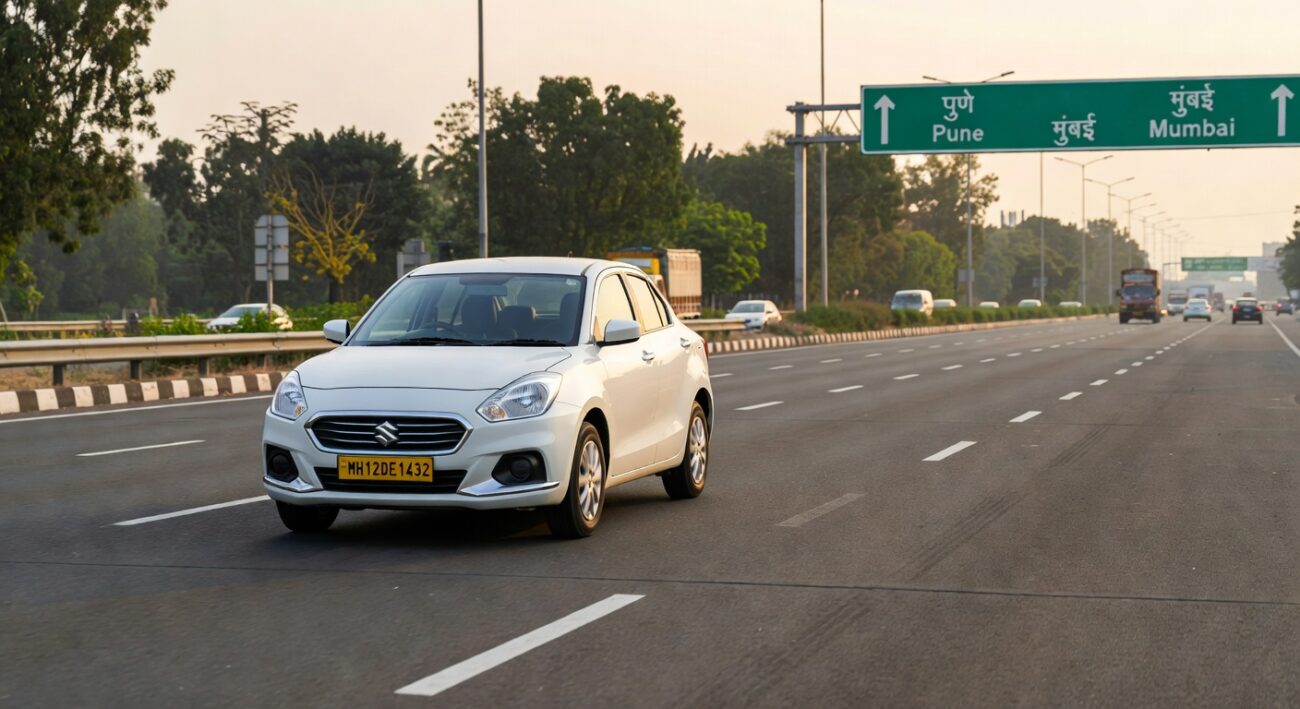
Road Warriors’ Relief: Why Outstation Taxi Rates in India are Finally Cooling Down
For years, the Indian traveler viewed outstation road trips as a premium luxury, often dictated by the fluctuating moods of fuel markets and the monopoly of local taxi unions. However, a tectonic shift is occurring in the Indian automotive landscape. Whether you are planning a weekend getaway from Bangalore to Coorg or a business trip from Delhi to Jaipur, you might have noticed something unusual: prices are stabilizing, and in many sectors, actually falling.
This “Ultimate Guide” dissects the three primary pillars driving this downward trend—fuel price stabilization, hyper-competition among aggregators, and the rise of Alternative Fuel Vehicles (AFVs)—while providing you with the tools to navigate this new era of affordable travel.
1. The Stabilization of Fuel Prices and Policy Shifts
The most direct cost in any taxi operation is fuel. In the past, volatility in global crude prices led to immediate “surcharges” passed on to the customer. Recently, the Indian government’s strategic oil reserves and diversified procurement have led to a more predictable price environment at the pump. According to data from the Ministry of Petroleum and Natural Gas, the stabilization of retail prices for Diesel and Petrol has allowed fleet operators to fix their long-term pricing models without the fear of sudden margin erosion.
2. The Aggregator War: Aggressive Market Penetration
The entry of major players like Uber Intercity, Ola Outstation, and specialized startups like BluSmart and Savaari has disrupted the traditional “monopoly” of local travel agents. When supply exceeds demand, the consumer wins. These companies are currently in a “burn phase,” prioritizing market share over immediate profits. This results in heavy discounting, loyalty points, and “one-way” fare options that were previously unheard of in the traditional taxi industry.
3. Comparison Table: Understanding the Market Shift
| Service Type | Average Rate (per KM) | One-Way Option | Fuel Basis | Hidden Costs |
|---|---|---|---|---|
| Local Taxi Unions | ₹15 – ₹18 | Rarely Available | Diesel / Petrol | Driver Bata, Return Tolls |
| Ola/Uber Outstation | ₹12 – ₹15 | Standard Feature | CNG / Diesel | Taxes + Parking |
| Specialized Intercity (Savaari) | ₹11 – ₹14 | Primary Focus | Mixed Fleet | Transparent (All-in) |
| EV Taxi Startups | ₹9 – ₹12 | Route Specific | Electric | Charging Surcharge (Rare) |
| Pre-Pandemic Era (Avg) | ₹16 – ₹22 | N/A (Round-trip only) | Diesel | Multiple Overheads |
Detailed Analysis: 10 Reasons Why Rates Are Dropping
- Rise of One-Way Fares: Previously, you paid for the “return” journey even if you didn’t use it. Advanced algorithms now match “Return Journeys,” allowing operators to charge for only one side.
- The “CNG Corridor” Expansion: The Petroleum and Natural Gas Regulatory Board has expanded CNG infrastructure along national highways. CNG operations cost roughly 30-40% less than diesel, and these savings are being passed to users.
- Fleet Utilization Tech: Real-time GPS and AI allow companies to minimize “dead mileage”—miles driven without a passenger. Efficient routing equals lower operational costs.
- Electric Vehicle (EV) Adoption: With lower maintenance and “fuel” costs per kilometer, EV fleets are undercutting traditional internal combustion engines (ICE) in short-haul intercity routes (e.g., Mumbai-Pune).
- Subscription Models: Many aggregators now offer “Travel Passes” that lock in lower rates for frequent travelers, providing predictable revenue for drivers and lower costs for users.
- Improved Road Infrastructure: Better highways under the NHAI projects reduce wear and tear on vehicles and improve fuel efficiency by maintaining constant speeds, lowering the driver’s “maintenance fund” requirement.
- Standardized Driver Incentives: Modern platforms provide bonuses based on ratings rather than just fare margins, encouraging competitive pricing to keep booking volumes high.
- Digital Payment Transparency: Gone are the days of “haggling.” Digital transparency prevents “tourist pricing,” forcing a market-wide standard.
- Second-Hand Market Availability: A robust market for used commercial vehicles has lowered the entry barrier for new drivers, increasing the supply of available taxis.
- Aggregator Subsidies: To compete with Indian Railways and Budget Airlines, taxi platforms are keeping margins razor-thin, often subsidized by venture capital.
Checklist for the Smart Traveler
- Compare at least three apps (Ola, Uber, and a local specialist like Savaari).
- Check for “All-inclusive” vs. “Excluding Tolls” pricing to avoid surprises at state borders.
- Verify if the vehicle has a Commercial (Yellow) plate for insurance validity.
- Inspect the tyre tread and AC functionality before the journey starts.
- Ask about the “Driver Bata” (daily allowance) to ensure it’s included in the quote.
- Check for any active promo codes on the IRCTC or travel partner sites.
Frequently Asked Questions (FAQ)
• Ministry of Road Transport & Highways: morth.nic.in
• Petroleum Planning & Analysis Cell: ppac.gov.in
• NITI Aayog Mobility Reports: niti.gov.in
• NHAI Toll Information: tis.nhai.gov.in
